


 中文简体
中文简体ค้นหาโดยโพสต์
ปฏิทิน
หมวดหมู่ผลิตภัณฑ์
ข่าวอุตสาหกรรม
 โดยผู้ดูแลระบบ
Heavy Duty Pneumatic Drill Guide: Power, Safety, Selection and Maintenance
ในลานผลิตเหล็กที่มีผู้คนพลุกพล่าน ไฟฟ้าไม่ได้อยู่ที่ที่ทำงานเสมอไป คุณต้องมีเครื่องมือที่สามารถดันสว่านบิดขนาด 1/2 นิ้วผ่านคานเหล็กได้โดยไม่สะดุด และคุณต้องการมันเพื่อให้สามารถทนต่อการตกหล่น ฝุ่น และการเลื่อนที่ยาวนาน นั่นคือเหตุผลที่ว่าทำไมสว่านลมสำหรับงานหนักจึงยังคงเป็นอุปกรณ์หลักในสภาพแวดล้อมทางอุตสาหกรรม ทำงานโดยใช้ลมอัด ให้แรงบิดโรตารีที่แข็งแกร่ง และไม่ต้องใช้มอเตอร์ไฟฟ้าที่ทำให้เกิดความร้อนสูงเกินไป ไม่ว่าคุณจะเจาะรูโบลต์ในเหล็กโครงสร้าง การบำรุงรักษาอุปกรณ์หนัก หรือประกอบเครื่องจักร สว่านลมให้กำลังที่สม่ำเสมอ ขนาดกะทัดรัด และการทำงานที่ไม่ซับซ้อน จุดประสงค์ของคู่มือนี้ไม่ใช่เพื่อโน้มน้าวคุณว่าการฝึกซ้อมทางอากาศเป็นสิ่งมหัศจรรย์ เพื่อให้คุณเข้าใจอย่างชัดเจนในทางปฏิบัติว่าสว่านลมสำหรับงานหนักทำอะไรได้บ้าง สิ่งที่ควรคำนึงถึงเมื่อซื้อสว่าน และวิธีดูแลรักษาให้อยู่ในสภาพดี ฉันจะอธิบายเกี่ยวกับการออกแบบพื้นฐาน คุณประโยชน์ ข้อมูลจำเพาะที่สำคัญ การใช้งานจริง และลักษณะการบำรุงรักษาที่สำคัญ ในตอนท้าย คุณควรจะสามารถเปรียบเทียบแบบจำลองได้อย่างมั่นใจ และเลือกเครื่องมือที่เหมาะกับงานของคุณ สว่านลมสำหรับงานหนักคือเครื่องมือเจาะแบบหมุนที่ขับเคลื่อนด้วยลมอัด แทนที่จะใช้มอเตอร์ไฟฟ้า จะใช้มอเตอร์ใบพัดแบบนิวแมติกที่หมุนเมื่อมีอากาศถูกดันผ่านเครื่องมือ มอเตอร์ขับเคลื่อนหัวจับซึ่งยึดหัวสว่าน คุณควบคุมความเร็วได้โดยการบีบไกปืน ซึ่งจะเพิ่มหรือลดการไหลของอากาศ เครื่องมือจะหยุดทำงานเมื่อคุณปล่อยไก แม้ว่าบางรุ่นจะมีตัวล็อคปีกผีเสื้อแยกต่างหากเพื่อให้ทำงานต่อเนื่องได้ เนื่องจากมอเตอร์ใช้พลังงานลม การออกแบบจึงง่ายกว่าสว่านไฟฟ้า ไม่มีขดลวด แปรง หรือตัวเก็บประจุที่จะเสียหาย มอเตอร์มีขนาดเล็กและเบากว่ามอเตอร์ไฟฟ้าที่มีกำลังเทียบเท่ากัน ซึ่งเป็นสาเหตุที่ทำให้สว่านลมมีรูปทรงที่กะทัดรัดและแปลกตาได้ รุ่นสำหรับงานหนักถูกสร้างขึ้นด้วยตัวเรือนเสริมความแข็งแรง เฟืองที่แข็งตัว และแบริ่งที่สามารถทนทานต่อการใช้งานอย่างยั่งยืนในสภาพแวดล้อมแบบมืออาชีพ หลักการตรงไปตรงมา อากาศอัดจะเข้าสู่ช่องอากาศเข้า ผ่านวาล์วที่ควบคุมด้วยทริกเกอร์ และไหลเข้าสู่ห้องมอเตอร์ ภายในห้องเพาะเลี้ยง อากาศจะดันกับใบพัดที่ติดตั้งอยู่บนโรเตอร์ โรเตอร์จะหมุน และการหมุนจะถูกถ่ายโอนผ่านเฟืองดาวเคราะห์ที่ตั้งไว้ที่หัวจับ อากาศเสียจะไหลออกผ่านพอร์ตต่างๆ ในตัวเครื่อง ซึ่งมักจะหันออกจากผู้ใช้เพื่อรักษาความสะอาดของพื้นที่ทำงาน รุ่นที่ใช้งานหนักมักจะมีตัวควบคุมแยกต่างหากหรือตัวควบคุมความเร็วในตัวที่ให้คุณปรับแต่งความเร็วให้เหมาะกับวัสดุได้ ตัวอย่างเช่น การเจาะโลหะแผ่นบางต้องใช้ความเร็วที่เร็วกว่าและมีแรงกดน้อยกว่า ในขณะที่การเจาะเหล็กชุบแข็งต้องใช้ความเร็วที่ช้ากว่าและมีแรงบิดมากกว่า ผู้ปฏิบัติงานที่มีทักษะสามารถสัมผัสได้ถึงความแตกต่างและปรับแรงดันไกปืนให้เหมาะสม ไม่ใช่สว่านลมทุกตัวที่สมควรได้รับฉลาก สว่านลมสำหรับงานหนักมีความโดดเด่นด้วยปัจจัยสามประการ: เมื่อเลือกซื้อสว่านลมสำหรับงานหนัก ให้ดูที่ชิ้นส่วนภายในพอๆ กับด้านนอก สว่านราคาถูกอาจหมุนเร็วเมื่อว่างเปล่า แต่จะสูญเสียความเร็วทันทีที่ดอกสว่านกัดเหล็ก สว่านสำหรับงานหนักที่มีคุณภาพจะรักษาความเร็วรอบต่อนาทีที่จำเป็นภายใต้ภาระงาน เนื่องจากมอเตอร์และชุดเกียร์ได้รับการออกแบบสำหรับงานตัดจริง หากคุณเคยทำงานในโรงงานอุตสาหกรรมมาเกินสองสามวัน คุณอาจเคยเห็นทั้งสว่านไฟฟ้าและสว่านลมในงานเดียวกัน แต่ละคนมีสถานที่ แต่คุณลักษณะบางประการของสว่านลมทำให้เหมาะอย่างยิ่งกับงานหนักโดยเฉพาะ โหมดความล้มเหลวที่พบบ่อยที่สุดของสว่านไฟฟ้าคือความร้อนสูงเกินไป เมื่อคุณกดเลื่อยเจาะรูหรือสว่านขนาดใหญ่แรงๆ มอเตอร์จะดึงกระแสไฟฟ้ามากขึ้น เกิดความร้อนขึ้น และในที่สุดจะตัดการทำงานของตัวป้องกันความร้อนหรือทำให้ขดลวดไหม้ได้ มอเตอร์นิวแมติกไม่ทำงานเช่นนั้น หากคุณหยุดมอเตอร์ด้วยการออกแรงกดมากเกินไป อากาศจะยังคงไหลต่อไปและมอเตอร์จะหยุดทำงาน เมื่อคุณลดแรงดัน มอเตอร์จะสตาร์ทอีกครั้ง ไม่มีการพันขดลวดที่ไวต่อความร้อนให้ทำลาย ซึ่งหมายความว่าสว่านลมสามารถทำงานหนักเกินไปซ้ำๆ โดยไม่เกิดความเสียหายถาวร มอเตอร์ลมมีขนาดกะทัดรัด สว่านลมสำหรับงานหนักขนาด 1/2 นิ้วสามารถมีน้ำหนักน้อยกว่า 2 กิโลกรัม ในขณะที่ให้แรงบิดมากกว่าสว่านไฟฟ้าแบบมีสายหลายรุ่น ช่วยให้ควบคุมในตำแหน่งที่ไม่สะดวกได้ง่ายขึ้น และลดความเมื่อยล้าของผู้ปฏิบัติงานในระหว่างการเจาะซ้ำๆ เป็นเวลานาน อากาศอัดนั้นปราศจากประกายไฟโดยธรรมชาติ สว่านลมไม่ก่อให้เกิดประกายไฟทางไฟฟ้า ดังนั้นจึงอนุญาตให้ใช้ในสภาพแวดล้อมที่มีไอระเหย ตัวทำละลาย ฝุ่น หรือบรรยากาศที่ระเบิดได้ ร้านขายสี โรงงานเคมี และโรงงานผลิตธัญพืชหลายแห่งเลือกใช้เครื่องมือเกี่ยวกับลมด้วยเหตุผลนี้ อากาศที่ระบายออกยังช่วยเป่าเศษออกจากดอกสว่าน ช่วยเพิ่มทัศนวิสัยและรักษาความสะอาดของรู เมื่อใช้สว่านไฟฟ้า การควบคุมความเร็วเป็นแบบอิเล็กทรอนิกส์ และอาจรู้สึกกระทันหันหรือล้าหลัง ด้วยสว่านลม ความเร็วจะถูกควบคุมโดยการไหลของอากาศที่กระตุ้น คุณจะสัมผัสถึงความสัมพันธ์ระหว่างตำแหน่งไกปืนและแรงบิดได้ทันที ช่วยให้เริ่มหลุมโดยไม่ต้องเดิน เคาเตอร์ซิงค์โดยไม่ต้องพูดพล่อยๆ และร้อยเกลียวด้วยการต๊าปโดยใช้เครื่องมือเดียวกันได้ง่ายขึ้น ส่วนประกอบภายในของมอเตอร์นิวแมติกส์นั้นง่ายกว่ามอเตอร์ไฟฟ้า ตราบใดที่การจ่ายอากาศสะอาดและหล่อลื่น สว่านลมก็สามารถทำงานได้หลายพันชั่วโมง การเปลี่ยนใบพัด ซีล และแบริ่งเป็นงานที่ตรงไปตรงมา โรงงานอุตสาหกรรมหลายแห่งมีชิ้นส่วนซ่อมเครื่องมือลมชุดเล็กและซ่อมสว่านได้ภายในเวลาไม่ถึงหนึ่งชั่วโมง หากต้องการเจาะลึกถึงหลักฟิสิกส์เบื้องหลังความทนทานนี้ คุณอาจพบว่าการอ่านบทความของเราในหัวข้อนี้มีประโยชน์ เหตุใดสว่านลมจึงมีประสิทธิภาพมาก . ก่อนที่จะเปรียบเทียบสว่านลมสำหรับงานหนัก คุณต้องเข้าใจข้อกำหนดที่กำหนดว่าสว่านจะทำงานอย่างไรในการทำงานจริง รุ่นเดียวกันอาจให้ความรู้สึกแตกต่างไปจากเดิมอย่างสิ้นเชิง ขึ้นอยู่กับคุณสมบัติของขนาดหัวจับ ความเร็ว แรงบิด และทิศทาง นี่คือหมายเลขสำคัญที่ต้องตรวจสอบ ขนาดหัวจับจะกำหนดเส้นผ่านศูนย์กลางด้ามสูงสุดของดอกสว่าน ขนาดที่พบบ่อยที่สุดสองขนาดคือ 3/8 นิ้วและ 1/2 นิ้ว หัวจับขนาด 3/8 นิ้วเหมาะสำหรับงานเจาะทั่วไปส่วนใหญ่ และช่วยให้เครื่องมือมีน้ำหนักเบาและกะทัดรัด หัวจับขนาด 1/2 นิ้วสามารถรับดอกสว่านที่ใหญ่กว่าได้ และถือเป็นมาตรฐานสำหรับงานหนัก หากคุณวางแผนที่จะใช้เลื่อยเจาะรูหรือดอกบิดที่มีขนาดใหญ่กว่า 1/2 นิ้ว คุณต้องใช้สว่านที่มีหัวจับขนาด 1/2 นิ้วหรืออะแดปเตอร์มอร์สเทเปอร์กับเครื่องจักรที่ทำงานช้ากว่า ความเร็วอิสระคือความเร็วการหมุนที่ไม่มีโหลด โดยจะบอกคุณว่าสว่านจะหมุนเร็วแค่ไหนในอากาศ แต่ไม่ใช่ความเร็วที่มอเตอร์ทำงานหนักที่สุด ความเร็วในการทำงานคือความเร็วภายใต้ภาระการเจาะปกติ ความเร็วอิสระที่สูงและมีแรงบิดต่ำอาจทำให้เข้าใจผิดได้ มองหาสว่านที่วางตลาดสำหรับการเจาะมากกว่าการขันสกรู มักจะมีช่วงความเร็วที่เหมาะสมกว่า แรงบิด is the rotational force the drill can apply. Pneumatic drills do not always publish a torque rating in the same way as impact wrenches, but you can get a sense from the chuck size, gear ratio, and motor size. A heavy duty drill with a 1/2-inch chuck generally has more torque than a 3/8-inch drill. If the manufacturer provides a maximum torque value in newtons per meter or foot-pounds, compare drills at the same level of air pressure. สว่านลมทุกตัวต้องมีแรงดันอากาศขั้นต่ำที่ทางเข้าเครื่องมือ สว่านอุตสาหกรรมส่วนใหญ่ทำงานที่ 90 psi (6.2 บาร์) โดยทั่วไปปริมาณการใช้อากาศจะระบุเป็นลูกบาศก์ฟุตต่อนาที (CFM) หรือลิตรต่อวินาที สว่านงานหนักอาจใช้ระหว่าง 4 ถึง 8 CFM ภายใต้ภาระ ขนาดเครื่องอัดอากาศและท่อของคุณจะต้องสามารถจ่ายกระแสนี้ได้เมื่อเครื่องมือกำลังตัดจริง ข้อผิดพลาดทั่วไปคือการใช้ท่อขนาดเล็ก 1/4 นิ้วที่จำกัดการไหลเวียนของอากาศ ทำให้สว่านสูญเสียพลังงานและทำให้มอเตอร์ลมร้อน วาล์วถอยหลังช่วยให้มอเตอร์หมุนไปในทิศทางตรงกันข้าม นี่เป็นสิ่งสำคัญสำหรับการดันดอกสว่านที่หักออก ถอดสกรูที่ติดอยู่พร้อมอุปกรณ์ยึดที่เหมาะสม หรือใช้ก๊อกไปข้างหลัง สว่านบางรุ่นเป็นแบบทิศทางเดียวเท่านั้น ซึ่งเหมาะสำหรับการเจาะธรรมดา แต่สว่านลมสำหรับงานหนักแบบพลิกกลับได้นั้นมีความหลากหลายมากกว่าและมักจะคุ้มค่ากับค่าใช้จ่ายเพิ่มเติม หากต้องการดูว่าข้อกำหนดเหล่านี้แปลเป็นการกำหนดค่าเครื่องจริงอย่างไร โปรดดูตารางสรุปด้านล่าง มูลค่าของสว่านลมสำหรับงานหนักจะเห็นได้ชัดเจนเมื่อคุณเดินผ่านโรงงานที่ทำงาน ไม่ใช่เครื่องมือที่คุณใช้สัปดาห์ละครั้งในห้องงานไม้ที่สะอาด เป็นเครื่องมือที่อยู่ในกล่องเครื่องมือทุกชั้นของโรงงาน ในการผลิตเหล็กโครงสร้าง การเจาะรูสำหรับโบลท์ หมุดย้ำ และหมุดเป็นงานที่ต้องทำอย่างต่อเนื่อง สว่านลมสำหรับงานหนักที่ติดตั้งดอกสว่านโคบอลต์หรือคาร์ไบด์สามารถจับเหล็กเหนียว สแตนเลส และแผ่นอะลูมิเนียมได้ แรงบิดสูงของรุ่น 1/2 นิ้วช่วยให้คุณเจาะทะลุแผ่นขนาด 10 มม. หรือหนากว่าได้โดยไม่มีแรงกดมากเกินไป ในร้านค้าที่มีระบบลมอยู่แล้ว สว่านลมมักเป็นตัวเลือกแรกเนื่องจากเบากว่าสว่านแม่เหล็กและเคลื่อนย้ายระหว่างชิ้นส่วนได้ง่ายกว่า เรือ รถขุด และเครื่องจักรทำเหมืองเต็มไปด้วยโครงสร้างเหล็กที่เข้าถึงได้ยาก สว่านลมมุมฉากนั้นมีคุณค่าอย่างยิ่งในการตั้งค่าเหล่านี้ เมื่อคุณต้องเจาะระหว่างผนังกั้นหรือใกล้กับสายไฮดรอลิก สว่านไฟฟ้าขนาดใหญ่ก็ไม่สามารถติดตั้งได้ อุปกรณ์เสริมที่เป็นมุมฉากพร้อมหัวขนาดกะทัดรัดช่วยให้คุณเจาะรูได้อย่างแม่นยำโดยไม่ต้องรื้อส่วนประกอบโดยรอบ ตัวอย่างเช่น ผู้ปฏิบัติงานที่ทำงานภายในรางเฟรมอาจใช้เครื่องมือ เช่น สว่านลมมุมขวาแรงบิดสูง RH3302 เพื่อเข้าถึงรูสลักที่อยู่ห่างจากจุดเชื่อมต่ออื่นๆ เพียงช่วงแขนเดียว ในโรงงานยานยนต์ สว่านลมใช้สำหรับเจาะสลักเกลียวที่หัก ขยายรู และเตรียมแผง คุณลักษณะการถอยหลังมีความสำคัญอย่างยิ่งที่นี่ หากการเจาะเริ่มทำให้แผ่นโลหะบางฉีกขาด ผู้ปฏิบัติงานสามารถถอยกลับได้อย่างรวดเร็วก่อนที่จะทำให้เกิดความเสียหาย รุ่นที่มีการเดินหน้าและถอยหลัง เช่น สว่านลมเดินหน้า-ถอยหลัง RH332 3/8 นิ้ว เป็นส่วนประกอบที่เหมาะสมของชุดเครื่องมือของช่างเครื่องทุกคน มันไม่ใช่เครื่องมือที่ใช้กำลังเดรัจฉานหนัก แต่จะทำให้ผู้ควบคุมสามารถควบคุมการทำงานที่ละเอียดอ่อนบนตัวถังรถได้ Construction and mining sites are dusty and often far from a reliable electrical supply. Pneumatic tools run directly from a diesel-driven air compressor, which is frequently already on site for jackhammers and tampers. In this environment, the durability of a pneumatic drill is a clear advantage. There are no cables to trip over, no batteries to recharge, and no exposed electrical parts that can short-circuit in wet conditions. A simple straight or pistol-grip drill can take a lot of abuse and still start immediately. Maintenance shops use heavy duty pneumatic drills for routine bolt removal, reaming, and thread repair. When combined with a tap holder, a reversible pneumatic drill can be used to cut threads in aluminum or cast iron. The ability to run at low speed and high torque by adjusting the trigger helps prevent tap breakage. The same tool can be fitted with a wire brush for cleaning bolt holes, making it a multi-purpose asset. Now that you understand the applications, the question is how to choose. The right drill depends on the material you cut, the space you work in, the air supply you have, and the number of hours the tool will run each day. Let me walk through the decision process in order. Ask yourself what size hole you drill most often. If the answer is usually 12 mm or less, a 3/8-inch chuck drill with a speed around 1800 rpm will cover most work. If you regularly drill 16 mm or larger holes, choose a 1/2-inch chuck model. Speed matters because too much speed burns small drill bits, and too little speed makes larger bits inefficient. A heavy duty pneumatic drill with a speed range of 500 to 2000 rpm is a good general compromise. The shape of the drill affects how you can use it. A pistol grip drill works well for most horizontal drilling. A straight drill gives you better alignment when drilling into a lathe center or a tight corner. A right-angle drill solves the problem of working in corners and between structural members. If your work area is cramped, include a right-angle model in your lineup. The RH338 3/8-inch right-angle forward-reverse air drill is one option that can fit where a straight drill cannot. If you ever have to drill into a blind hole or remove a broken bolt, you will regret buying a non-reversing drill. A reversible drill also lets you use a tap to clean threads, which makes it more valuable. The throttle should be progressive, allowing a smooth increase from slow to fast. A toggle throttle or lever throttle is more comfortable than a button throttle for long periods of work. Before buying any pneumatic drill, check the specification for air consumption. Your compressor must deliver enough flow at the required pressure. For a heavy duty 1/2-inch drill, a 5 hp compressor with a 10 cfm rating is a reasonable minimum if you use the drill continuously. The air line from the compressor to the tool should be at least 3/8 inch inside diameter. Use quick couplers rated for at least 90 psi, and keep the hose as short as possible to reduce pressure loss. Even the best drill is less useful if you cannot adapt it to different jobs. Check whether the chuck is keyed or keyless. Keyed chucks are more common on heavy duty tools because they hold the bit more securely under vibration. You may also need side handles for extra torque, depth stops for consistent hole depth, and adapters for hex shank bits. Many pneumatic drill kits include these accessories, so compare the included items when you evaluate price. When you are uncertain about which model fits your process, it helps to talk to people who make the tools. A pneumatic tool manufacturer can advise you on the right chuck size, speed, and handle style for your application. You can browse the complete range of industrial pneumatic tools and contact their sales team with your air supply details and typical material thickness. Buying a durable drill is only half the story. How you set up the air system, how you operate the tool, and how you maintain it determine whether the tool lasts five years or fifteen. Compressed air is not naturally clean or dry. Compressors draw in ambient air that contains moisture and dirt. That moisture settles inside the air motor and can cause rust on steel parts. Dirt acts as an abrasive and wears the vanes and bearings. Always install a filter-regulator-lubricator unit close to the tool. The filter removes particles, the regulator sets the correct pressure, and the lubricator delivers a fine oil mist to the motor. Check the filter bowl every week and change the element when it is dirty. Most heavy duty pneumatic drills are rated for a maximum of 90 psi at the tool inlet. Running the tool at 120 psi does not make it cut faster; it only accelerates wear and can damage the motor. If the drill feels weak, use a gauge to check pressure at the tool while it is running under load. A long, narrow hose will cause a pressure drop that could be the real reason for the loss of power. Increase the compressor output or use a larger hose before you consider replacing the drill. Pneumatic motors need clean, light oil. An inline lubricator is ideal, but if you do not have one, add a few drops of SAE 10 or pneumatic tool oil into the air inlet before each use and after every cleaning. The rotor vanes are the wearing parts. Over time, they become shorter and lose their seal against the rotor cylinder. When you notice a gradual loss of power or an increased air consumption at the exhaust, it is time to replace the vanes. Most drills have a simple end cap that allows you to inspect the motor without disassembling the gear housing. Even though a pneumatic drill has no electric spark, it can still throw debris and create a torque reaction if the bit binds. Here are the safety habits I recommend for every operator: When the workday is over, do not leave a pneumatic drill lying on a dusty bench. Disconnect the air line, wipe the outside, and blow out any dust from the air inlet. Store the tool in a dry place with the trigger released. If the climate is humid, add a few drops of oil to the air inlet and rotate the chuck a few times to coat the internal parts. This prevents rust from forming inside the motor during long periods of storage. Over the years, I have seen the same mistakes in every shop. Some are small, like using the wrong oil. Others are more serious, like running a drill without a filter. Here are the most common pitfalls and the straightforward fixes. A 1/4-inch air hose is fine for a small nailer, but it will strangle a heavy duty pneumatic drill. When the drill draws high airflow, the hose pressure drops, the motor loses torque, and the tool feels weak. Install at least a 3/8-inch inside diameter hose for a 3/8-inch drill, and a 1/2-inch hose for a 1/2-inch drill. The closer the regulator is to the tool, the better. Water in the air line is the fastest way to kill a pneumatic drill. It washes away lubrication, rusts the rotor, and causes the vanes to stick. A short drop from the compressor to a tank drain, followed by a refrigerated air dryer, is the best solution. At minimum, drain the compressor tank every day and use a water separator in the supply line. Some operators think the drill is self-lubricating because the air feels oily. It is not. Pneumatic motors rely on a thin oil film between the rotor and the vanes. Without oil, the vanes wear out in days. Set up an automatic lubricator with a light oil specifically designed for air tools. The typical rate is two to three drops per minute, which is barely visible in the exhaust. A dull bit demands more force, causing the drill to bind and the chuck to slip. The result is often a broken tool or a ruined workpiece. Replace or sharpen drill bits when they no longer make clean shavings. You can identify a sharp bit by the continuous chips it produces, not powdery dust. Cobalt bits and carbide-tipped bits last longer on steel and are worth the higher price for heavy duty applications. When a large drill bit suddenly catches on an edge, the drill can twist sharply in your hands. This is especially dangerous with a powerful motor and a rough surface. Use a side handle and keep both hands on the tool. Set the drill to a lower speed when starting into an uneven surface. Once the bit is fully engaged, increase the speed gradually. There are pneumatic drills at very low prices, and they fail quickly under heavy duty use. The difference is not only in the motor. Gear quality, chuck precision, and the strength of the throttle valve all matter. A heavy duty pneumatic drill that is cheaper because it is made with thin castings will crack near the chuck under repeated side loads. Instead, compare the weight, the material of the housing, and the warranty. A slightly higher purchase price is usually cheaper than replacing a tool every few months. A heavy duty pneumatic drill is not a glamorous tool, but it is one of the most dependable workhorses in any workshop. It gives you high torque in a compact body, runs without electrical hazards, and can withstand stalls that would destroy an electric motor. The key is to choose the right chuck size, speed, and handle configuration for the work you do, and then to feed it with clean, properly regulated, lubricated air. If you are adding to a pneumatic tool fleet or replacing an old drill, evaluate the reversing feature, the durability of the chuck, and the ergonomics of the throttle. Use your compressor capacity as a budget constraint, and do not forget the filter-regulator-lubricator unit. With the right setup, a heavy duty pneumatic drill will serve you for many years and hundreds of thousands of holes. Take the extra step to buy from a supplier who understands industrial pneumatic tools and can support you with spare parts and technical guidance. That kind of support makes the tool itself more valuable. When the drill is matched to the air system and used with sharp bits and good lubrication, it becomes the tool you trust for the toughest holes in the shop. สว่านลมสำหรับงานหนักคืออะไรกันแน่?
มันทำงานอย่างไร
อะไรทำให้สว่านลม "งานหนัก"
เหตุใดจึงเลือกสว่านลมสำหรับงานหนัก
ไม่มีมอเตอร์ไฟฟ้าเหนื่อยหน่าย
อัตราส่วนกำลังต่อน้ำหนักสูง
สะอาดและปลอดภัยยิ่งขึ้นในพื้นที่อันตราย
ควบคุมความเร็วและแรงบิดอย่างง่าย
บำรุงรักษาง่ายและอายุการใช้งานยาวนาน
ข้อมูลจำเพาะด้านประสิทธิภาพหลักที่คุณต้องเข้าใจ
ขนาดหัวจับ
ความเร็วฟรีและความเร็วในการทำงาน
แรงบิด
ปริมาณการใช้อากาศและแรงดันที่ต้องการ
คุณลักษณะการย้อนกลับ
การกำหนดค่า ขนาดหัวจับ ช่วงความเร็วทั่วไป ใช้ดีที่สุด ด้ามจับปืน 3/8 หรือ 1/2 นิ้ว 500 - 2200 รอบต่อนาที การขุดเจาะทั่วไป การบำรุงรักษา งานโครงสร้าง ตรง 3/8 นิ้ว 1200 - 2400 รอบต่อนาที การเจาะที่แม่นยำ ห้องเครื่องมือ การผลิตเบา มุมขวา 1/2 นิ้ว 300 - 1200 รอบต่อนาที พื้นที่อับอากาศ แรงบิดสูง งานระยะใกล้ กลับด้านได้ 3/8 หรือ 1/2 นิ้ว 0 - 1800 รอบต่อนาที การแตะ การสำรองข้อมูลบิตที่เสียหาย อเนกประสงค์ การใช้งานจริง: ที่ซึ่งสว่านลมสำหรับงานหนักได้รับการบำรุงรักษา
การก่อสร้างและการผลิตเหล็ก
การต่อเรือและการบำรุงรักษาอุปกรณ์หนัก
ซ่อมและประกอบรถยนต์
เหมืองแร่และการก่อสร้าง
Maintenance and Repair Shops
How to Select the Right Heavy Duty Pneumatic Drill for Your Shop
Start with the Chuck Size and Speed
Consider the Handle and Body Layout
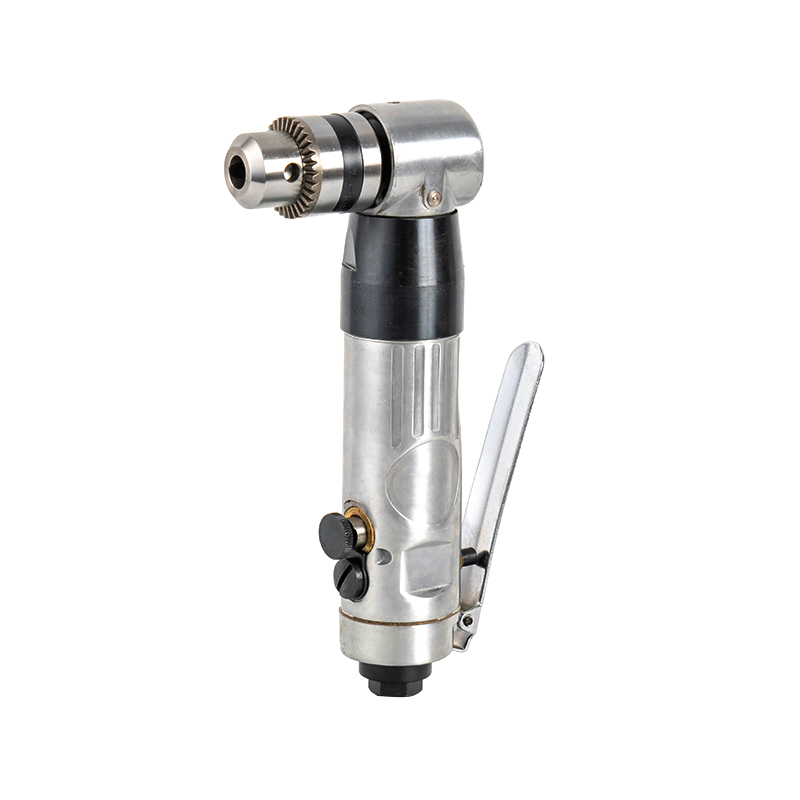 Custom RH-338 3/8 Right Angle Forward Reverse Gas Drill Suppliers, Factory - Nin Ningbo Haishu Renhao Pneumatic Co., Ltd is China custom RH-338 3/8 Right Angle Forward Reverse Gas Drill Suppliers and OEM/ODM RH-338 3/8... View Product →
 Evaluate the Reversing Valve and Throttle
Match the Air Supply
Plan for Accessories
Use Your Supplier’s Expertise
Getting the Most from Your Pneumatic Drill: Setup, Safety, and Maintenance
Air Preparation Is the Most Important Step
Correct Pressure Settings
Lubrication and Vane Replacement
Safe Operating Habits
Storing the Tool
Common Missteps and How to Avoid Them
Using an Undersized Air Hose
Ignoring Water in the Air
Running Without Lubrication
Using Drill Bits That Are Too Dull
Forgetting the Safety Torque Reaction
Buying on Price Alone
The Bottom Line: A Workhorse That Still Makes Sense
ผลิตภัณฑ์ที่แนะนำ
-
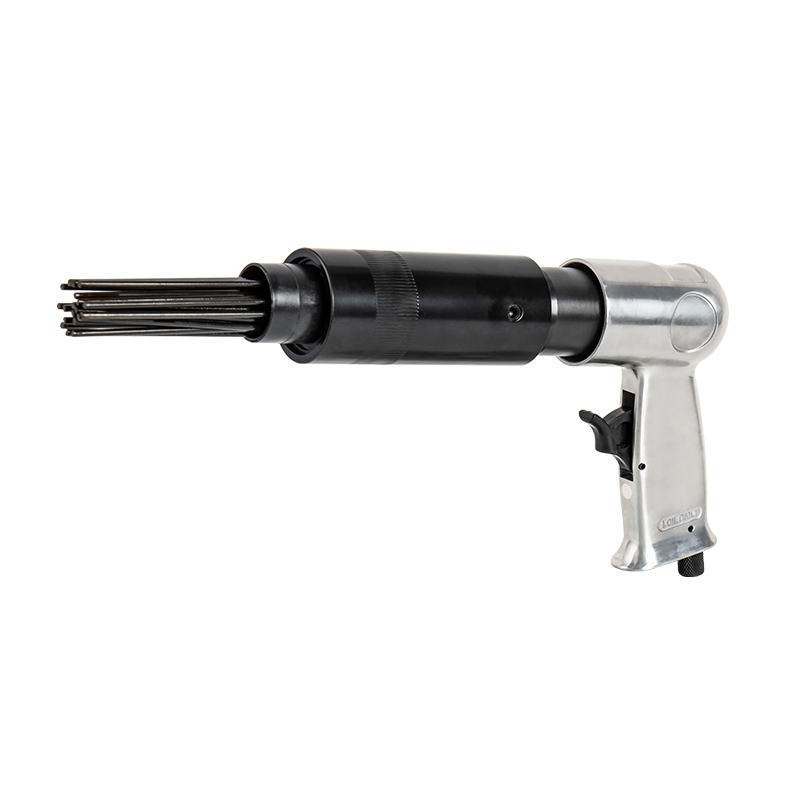
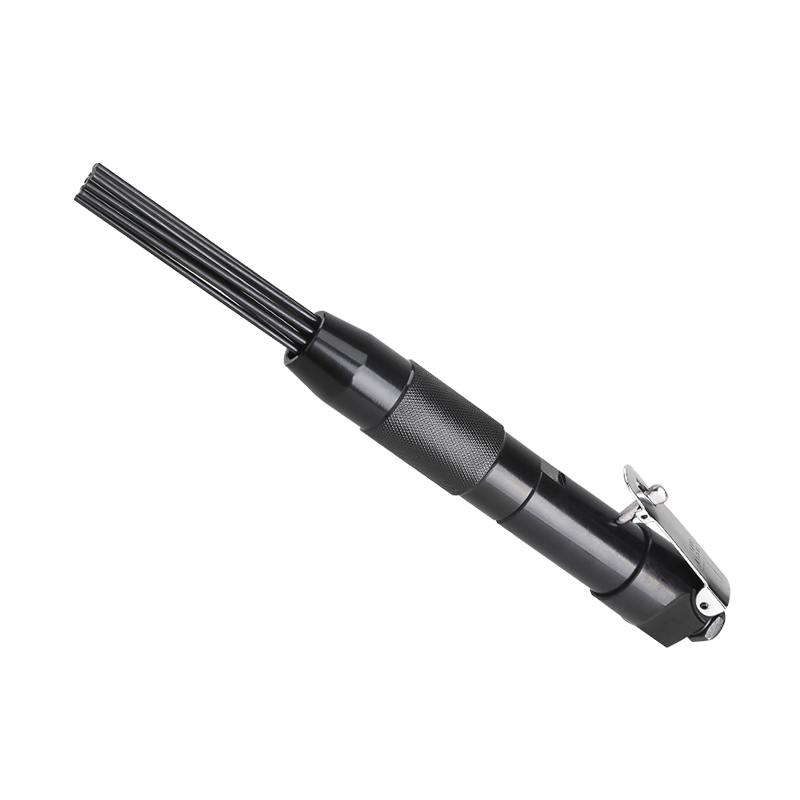
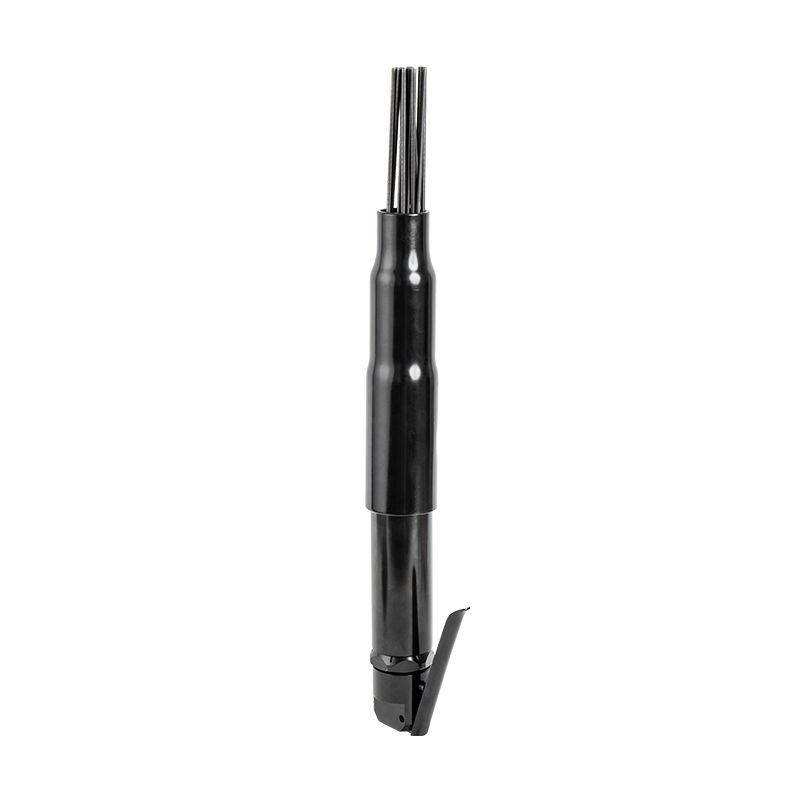
RH-464 เข็มขัดนิวเมติก
-
RH-460 Mini ขนาดกะทัดรัดนิวเมติกสเกลเออร์
-
RH-462 Industrial Industrial Straight Needle Scaler
-
RH-7034C เครื่องถ่ายภาพสะเก็ดพกพาแบบพกพา
-
RH-7034B บดกลาง 4 "เครื่องบดมุมอากาศ
-
RH-7034d 7 "เครื่องบดมุมมือถือ
-
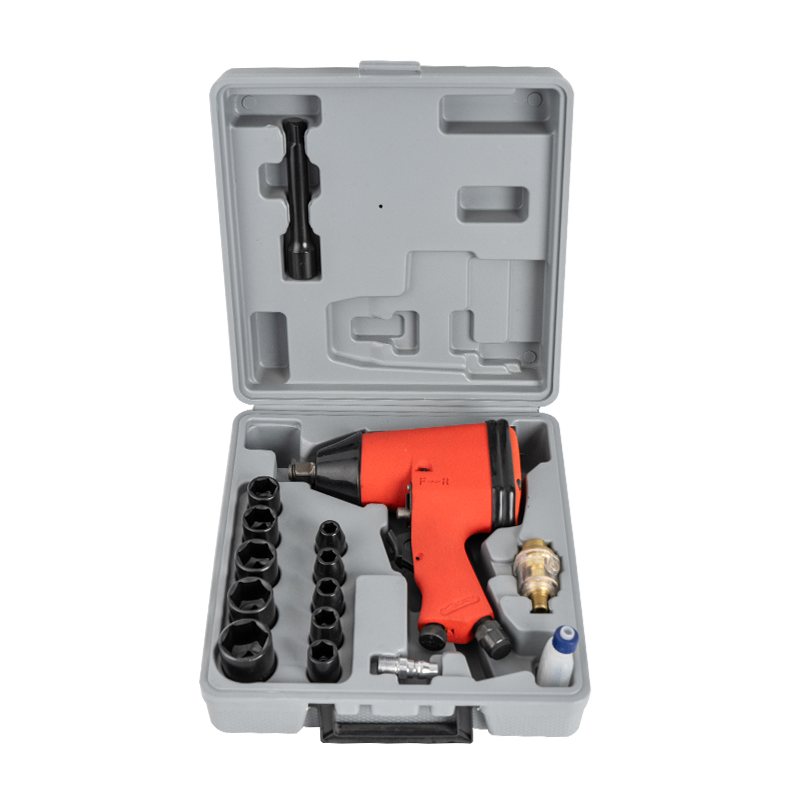
RH-160 1/2 "ไดรฟ์ประแจแรงกระแทกด้วยแรงกระแทกของ Hammer Air Air
-
RH-160K Cordless Electric Air Impact Wrench Kit
-
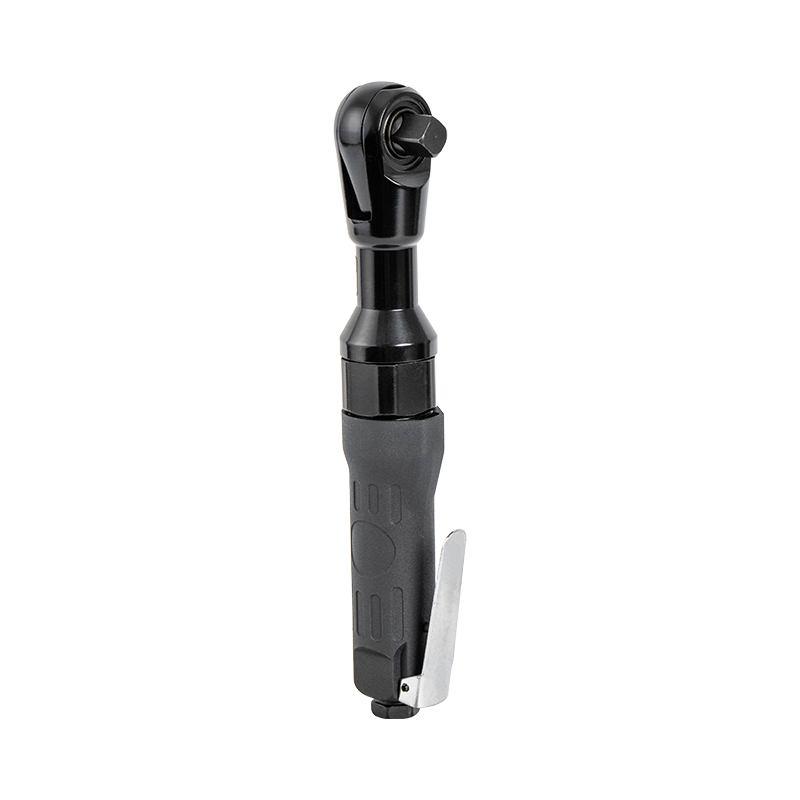
RH-112 1/2 "เครื่องมือประแจวงล้อไฟฟ้าสากล
-
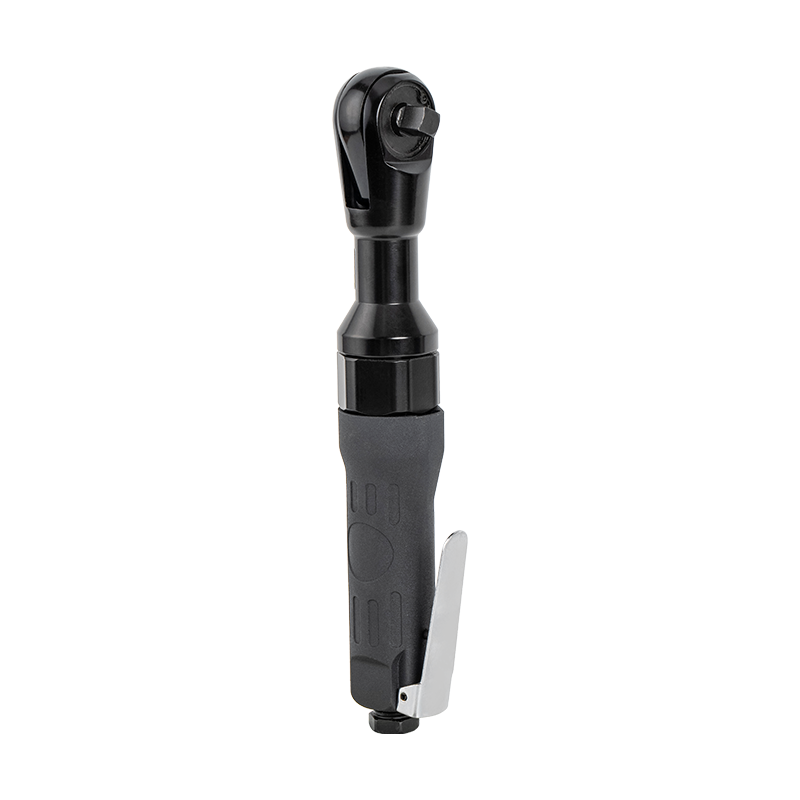
RH-128 1/2 "ประแจวงล้อไฟฟ้าแรงบิดสูง
-
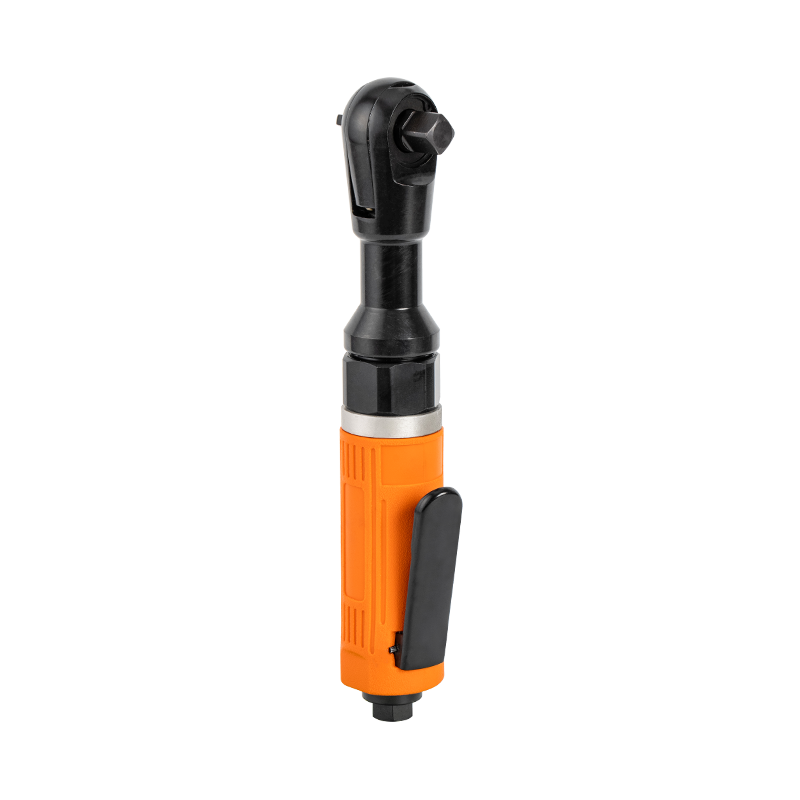
RH-138 3/8 "ประแจวงล้อไฟฟ้าไร้สายแบบพกพา
-
RH-148 1/4 "ประแจวงล้อแบตเตอรี่ไฟฟ้า
ติดต่อผู้เชี่ยวชาญของเรา
และรับคำปรึกษาฟรี!
Ningbo Haishu Renhao Pneumatic Co. , Ltd.
 ที่อยู่: เขตเจียนเจียนเมืองหนิงโบในมณฑลเจ้อเจียงโดยอาคารสวนอุตสาหกรรม Keli ที่ 15
 โทรศัพท์: +86-139 0668 0779
 โทร: +86-139 0668 0779
 โทรสาร: +86-139 0668 0779
 อีเมล: [email protected]


